Proof, Not Promises: The November Folder That Shows You Who You’re Becoming
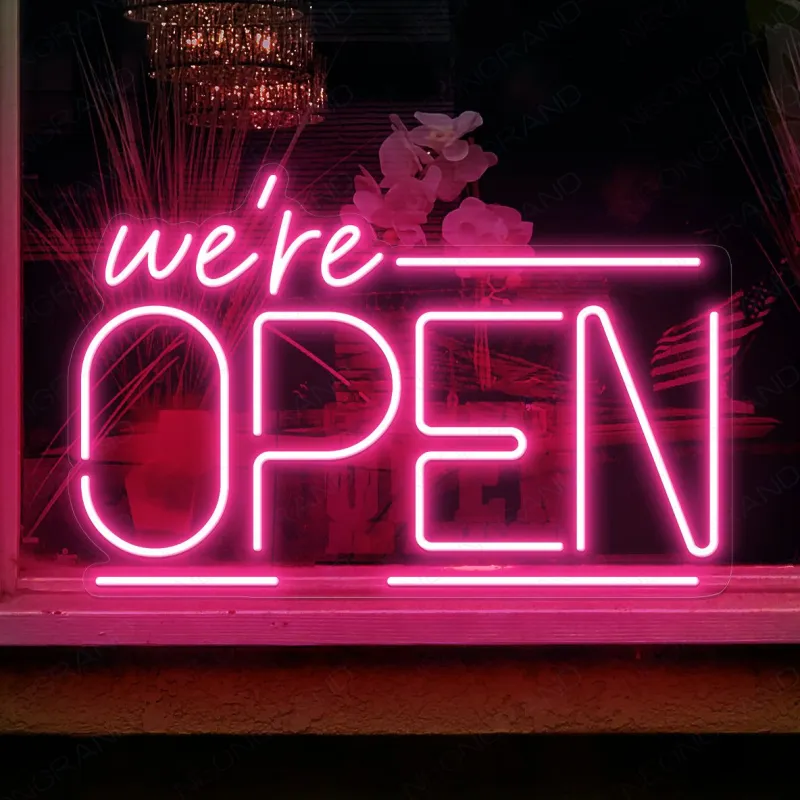
Photo: open folder of notes receipts and photos on wooden desk with tea and fairy lights, via i.pinimg.com
November is a strange month. It’s dark by the time you leave the office, the shops have gone full tinsel, and every other email seems to ask what you want to achieve by 31 December. I don’t know about you, but by this point in the year, another set of resolutions feels less like inspiration and more like homework.
So here’s a gentler idea: instead of setting goals, make an evidence folder. Not a vision board. Not a five-year plan. A simple folder — digital or physical — full of tiny proofs that you are already becoming someone. It’s the anti-goal-setting exercise for people who still want to feel purposeful without turning their life into a performance review.
Why evidence beats aspiration
Goals are useful, but they can be oddly shaming. They ask you to compare where you are with where you said you’d be. An evidence folder asks a different question: what has actually happened? What did you do, make, try, survive or notice? What did other people say to you when you weren’t busy judging yourself?
That shift matters. A personal brand built only on aspiration is fragile. A personal brand built on evidence — on the trail you actually leave — is much sturdier. It’s the difference between saying ‘I’m a creative person’ and having a folder of half-finished zines, weird photos, kind messages from someone who liked your idea, and a train ticket to an exhibition that gave you an idea.
Quiet confidence doesn’t come from promising to become someone else. It comes from noticing who you already are when you’re not paying attention.
What counts as evidence?
Almost anything, as long as it’s real. This is not about curating a highlight reel. It’s about collecting the stuff you’d normally delete, overlook or forget. Here are some ideas:
- Nice emails and messages. Screenshot the ones that made you stop. A thank-you, a compliment, a ‘you made that easier’.
- Photos of trying. Not the polished ones. The blurry snap of your first attempt at pottery, the cake that sank in the middle, the view from the walk you took when you didn’t want to.
- Receipts of effort. A train ticket to an interview. A workshop receipt. A library book you actually read. A parkrun barcode. The email confirming you signed up for something that scared you.
- Domestic proofs. The plant you kept alive. The soup you made from leftovers. The drawer you finally fixed. Small is allowed.
- Outside evidence. A message from someone who asked for your advice. An invitation. A note that says someone remembered the thing you shared.
- Boundary evidence. The screenshot of a polite ‘no’. The calendar gap you protected. The day you didn’t reply straight away and nothing terrible happened.
- Sensory evidence. A playlist that got you through a weird week. A photo of a sunrise you almost missed. A scarf that reminds you of a good day.
If it makes you think, ‘Oh yes, that happened,’ it belongs in the folder.
How to make the folder in 20 minutes
This is not a sacred ceremony. Put the kettle on, open your camera roll, your inbox and your notes app, and start. Here’s a simple way in:
- Choose a home. A folder on your laptop called ‘Evidence’. A box file. A private Instagram highlight. A notes list. Anything that isn’t so beautiful it becomes another thing to maintain.
- Set a timer. Twenty minutes. You are not auditing your entire life.
- Find five to ten items. That’s it. A message, a photo, a receipt, a voice note, a screenshot of something you made. Don’t overthink it.
- Add one caption to each. Finish this sentence: ‘This shows I am…’ Keep it plain. ‘This shows I am someone who tries even when I’m nervous.’ ‘This shows I am someone people trust with honest questions.’
- Leave it messy. The folder is meant to be opened, not admired. Add things as you find them.
You can do this on the last Sunday of November, or on a random Tuesday when you’re avoiding your inbox. The date doesn’t matter. The noticing does.
The captions are the magic bit
The difference between a random camera roll and an evidence folder is the sentence underneath. Without the caption, it’s just stuff. With the caption, it becomes a quiet argument for your own character.
Try to avoid corporate language. You’re not ‘leveraging synergies’ or ‘building a personal brand strategy’. You’re collecting proof that you are a certain kind of person. Maybe you’re the one who makes people feel included. Maybe you’re the one who finishes things slowly but finishes them. Maybe you’re the one who asks the question everyone was thinking.
The captions should sound like you on a good day — not you performing confidence for a panel.
What to do when you feel like you’ve done nothing this year
Open the folder. Look for receipts of trying, not trophies. Some years are about keeping the plant alive, paying the bills, showing up to the thing, and being kind when it would have been easier not to. That counts. It may not fit on a vision board, but it fits in a folder.
This isn’t about toxic positivity. You’re allowed to notice what was hard. You’re allowed to wish things had gone differently. The folder isn’t a verdict on the year; it’s a counterweight to the inner critic that only remembers the missed marks.
A personal brand built from proof
We talk about personal brands as if they’re something you invent. But most of the time, they’re something you notice. Your brand is the trail you leave: the way you reply, the things you make, the people who feel better after talking to you, the subjects you keep returning to. The evidence folder simply makes that trail visible.
You might find themes you didn’t expect. Maybe you thought you were ‘behind’, but the folder says you’re a connector. Maybe you thought you were inconsistent, but the folder shows a clear thread of curiosity. Maybe you thought you needed a new plan, but you actually need a rest and a bit of credit.
Don’t turn it into another goal
The temptation, after making the folder, is to turn it into a to-do list. Resist. Let it be a record, not a resolution. You can use it to write a kinder bio, to choose a word for December, or simply to remind yourself that you’ve been here all along.
You are already becoming someone. This is just the paperwork.