The Quiet Flex: I Spent a Month Building My Personal Brand Without Posting About It
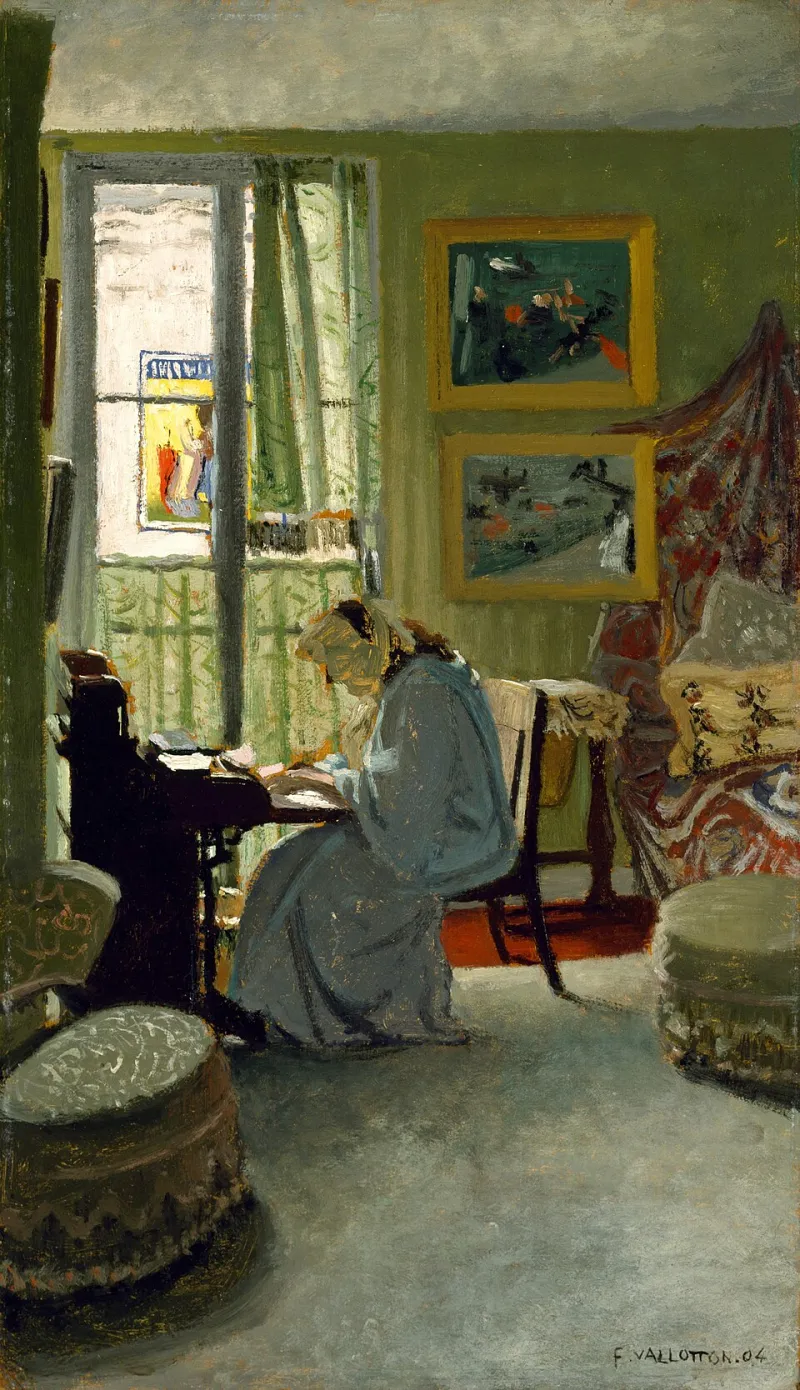
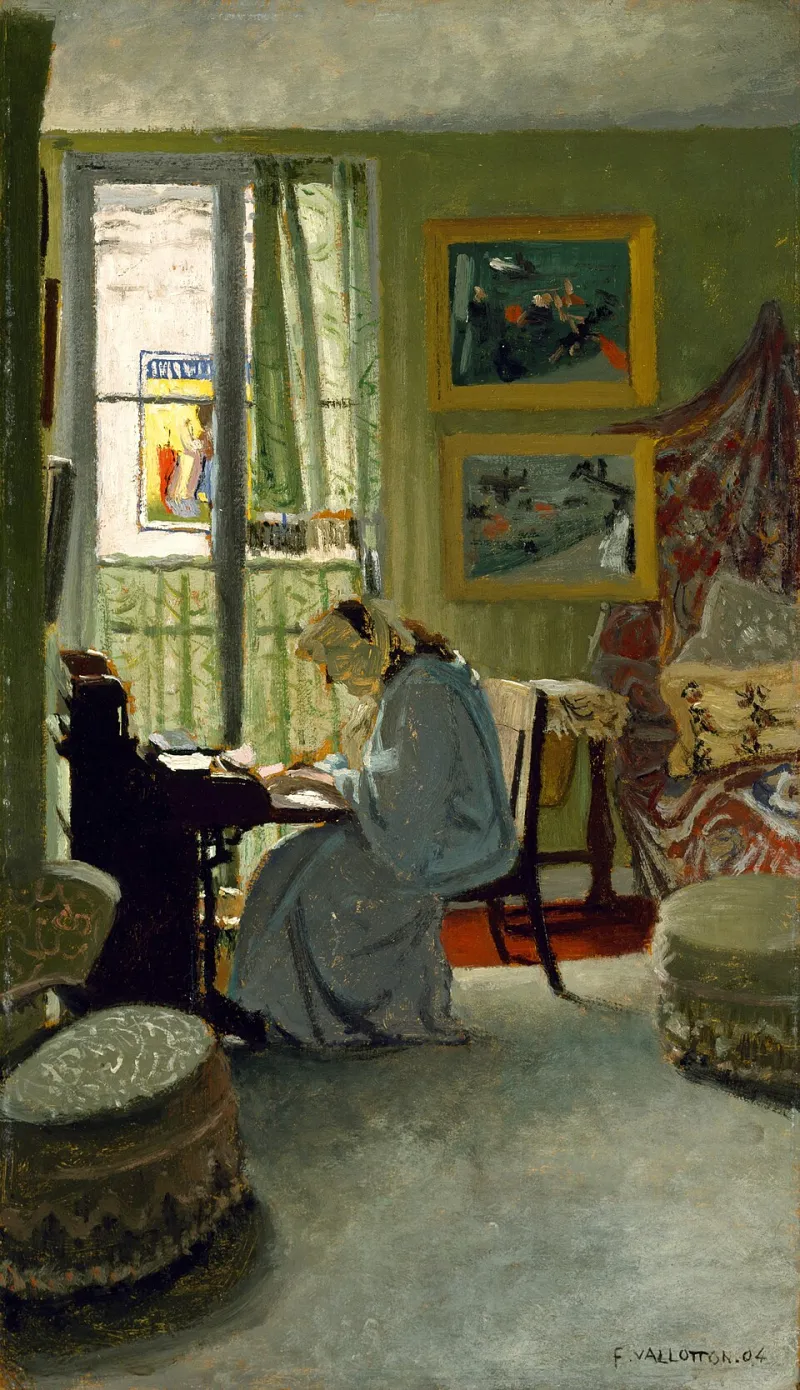
Photo: Félix Vallotton, Public domain, via Wikimedia Commons
I have a confession: I nearly made a grid out of it. You know the sort of thing — a carousel about consistency, a story poll about boundaries, maybe a tasteful photo of a notebook and a flat white. That was the plan for my personal-brand reset. Then I realised the plan had become the problem. So I set myself a different challenge: 30 days of small, offline actions that reinforced what I say I value, with absolutely no posting about them.
This was not an anti-social-media stunt. I still used the internet. I still scrolled. I just stopped treating every decent idea as content and started treating it as a instruction to myself. The result was the quietest flex I have ever tried — and, annoyingly, one of the most useful.
The Rules I Made Myself
The challenge was simple enough to start on a Tuesday morning and awkward enough to keep me honest. One action a day. Ten to twenty minutes, roughly. It had to reflect a value I actually want to be known for: reliability, warmth, curiosity, follow-through. It could not be a photo opportunity. And I had to log it in my notes app — not for an audience, just to see the pattern.
I also added a rule that felt almost rebellious: no turning friends into brand assets. No 'just checking in' messages that were really market research. No supper invitations designed to produce a caption. If I did something kind, it had to be finished before my ego caught up.
Week One: Follow-Up Is a Love Language
The first week was unglamorous. I sent the follow-up email I had been avoiding for eleven days. I thanked a café owner who had remembered my order during a grim February. I forwarded an article to someone who needed it, without adding 'thought you'd like this!' and hovering by my phone for a reply.
By day four I noticed something uncomfortable: I had confused being visible with being reliable. I had a bio that said I cared about community and a inbox full of unanswered messages. The follow-up email was not a 'personal brand action' in the glossy sense. It was just what a decent person does. That, it turns out, is the whole point.
Week Two: The Thursday Supper
The second week I hosted a Thursday supper for four people. This was not a dinner party. There was no tablescape. I made a big pot of something involving chickpeas and lemon, bought a £4 loaf from the bakery, and put out the mismatched glasses I have been meaning to recycle for two years. One guest was a neighbour I had only ever waved at.
I did not take a photo. I am not going to pretend I did not think about it. But the evening was better without the mental editing. People stayed until nearly eleven. Someone asked for the recipe. Someone else said, 'You always make things happen,' which is the sort of sentence I would have loved to put on a testimonial graphic. Instead I wrote it in my notes app and sat with it.
Week Three: The Unglamorous Middle
This is where the challenge got hard. The actions became smaller: turning up on time, remembering a name, sending a birthday voice note instead of a text, writing a proper testimonial for a former colleague, returning a library book before the fine started. Nothing shareable. Nothing that would make a stranger think, 'Oh, she's got it together.'
But something shifted. Without the option to post, I had to ask why I was doing any of it. Was I being generous, or was I building a case file? Was I consistent, or was I just good at the opening line? The quiet actions did not flatter me. They revealed me. That was the point, and it was also mildly annoying.
Week Four: Receipts, Not Highlights
In the final week I did something that felt very un-influencer: I asked two people I trust a blunt question. 'What do I seem to care about, based on how I actually behave?' One said, 'You ask good questions and then actually listen.' The other said, 'You are the person who sends the calendar invite.' Neither of them mentioned my aesthetic. Neither of them said 'cohesive brand voice.' I have never been so relieved.
The last action was to write a one-page set of personal principles. Not a manifesto for the internet. Just a note to myself: be early, be useful, be warm, follow up, do not make every nice thing a performance. I did not post it. I did read it twice.
What Actually Changed
The obvious change was that I posted less. The less obvious change was that I initiated more. I sent the email. I hosted the supper. I made the introduction. I stopped waiting for a surge of motivation and started treating small acts of consistency as the brand itself.
There were downsides. No likes means no little hit of validation. Some actions were invisible, and I had to be fine with that. I am not anti-posting; I still believe a thoughtful online presence can be a genuine extension of who you are. But the challenge reminded me that the internet is a megaphone, not a personality. You still need something to amplify.
How to Try Your Own 30-Day Quiet Flex
- Week one: reliability. Pick the follow-ups you have been avoiding. Send them. No screenshots.
- Week two: warmth. Host something small, make an introduction, or help someone without turning it into a story.
- Week three: craft. Do the boring, invisible work that makes you good at what you claim to care about.
- Week four: reflection. Ask one or two trusted people what you seem to value. Write down the answer. Adjust.
Keep it to ten minutes a day where you can. Log it in a notes app. Do not announce the challenge. The quiet flex is not secrecy for its own sake; it is substance before signal. If you have to tell everyone about your personal brand, maybe do the thing anyway — just do not make the telling the whole point.