The Visitor’s Pass: A Month of Local Days Out and the Personal Brand I’d Been Walking Past
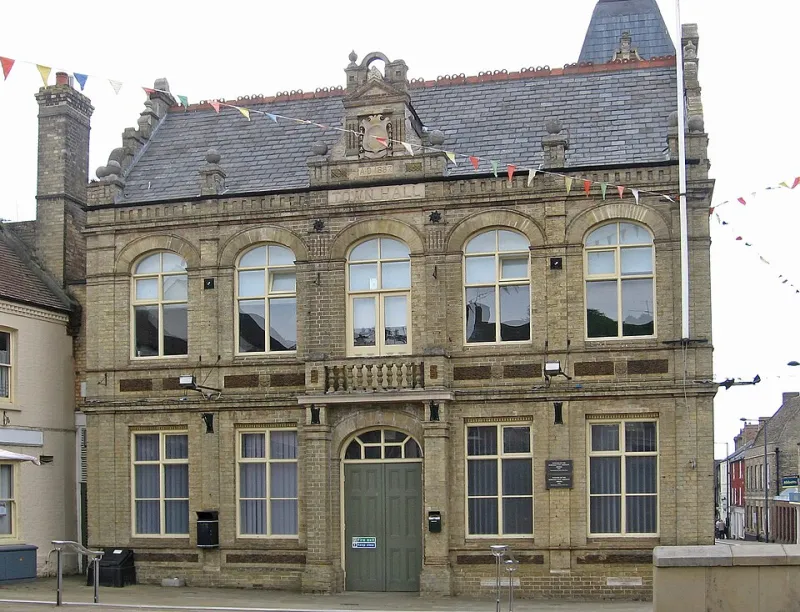
Photo: Dave Bevis, CC BY-SA 2.0, via Wikimedia Commons
I live in a town I can navigate blindfolded. I know which cashpoint works, which café is too loud for a laptop, and exactly where to park on a Saturday before the market crowd arrives. What I couldn’t tell you, until recently, was what I’d actually recommend to a stranger. That felt like a small but telling gap.
So I gave myself a challenge: one touristy outing a week, for a month, within a twenty-minute radius of my front door. No trains to London. No big-ticket day out. Just the museum, the market, the landmark I walk past on the way to somewhere else. I took photos like a visitor, had the small conversations visitors have, and kept a running note in my phone titled: What I’d tell someone who’d never been here.
It was meant to be a bit of fun. It turned into a quiet personal-brand audit.
The rules: one outing, twenty minutes, no agenda
I deliberately kept the rules loose. One outing a week. Somewhere public. Somewhere I could walk to or reach on a bus without checking a timetable twice. I banned myself from turning it into errands — no nipping into the charity shop for a jumper and calling it culture. The point was to look, not to tick off a list.
I also banned the phrase “I’ve been meaning to”. That phrase is where curiosity goes to die. I’d been meaning to visit the civic museum for so long it had become part of my personality. Same with the indoor market. Same with the old canal basin that people post photos of in the local Facebook group like they’ve discovered a secret.
Week one was the museum. It was smaller than I remembered, and stranger. A room about the town’s wool trade, a case of Roman coins, a display of twentieth-century shop signs. I stood in front of a faded sign for a department store that closed before I was born and felt oddly emotional. A volunteer asked if I was researching family history. I said no, I just live here. She said, “That counts.”
Week two: the market, and the stallholder who remembered my face
The indoor market is the sort of place I dash through for batteries and a birthday card. This time I walked the long way round. I bought a coffee from a stall that roasts beans on site, and the man behind the counter asked if I wanted the usual. I don’t have a usual. But by the end of the conversation I did, and that felt like a small social promotion.
I asked him what he’d tell a visitor to do in town. He laughed and said, “Don’t go to the retail park. Go to the park.” He was right. The park has a bandstand, a duck pond and a bench with a plaque that made me laugh out loud. I’d walked past that bench a hundred times.
That week’s note to a stranger read: Start at the market. Get coffee from the stall with the blue awning. Ask for the house blend. Walk to the park, not the precinct.
It’s not a list of attractions. It’s a list of taste. And taste is a personal brand whether you like it or not.
Week three: the landmark I’d stopped seeing
There’s a clock tower in the middle of town. I couldn’t tell you when it was built. I couldn’t tell you what it commemorates. I walk past it most days and treat it like furniture. So I stood there for ten minutes, phone in pocket, and actually looked at it. Two people asked me for directions. I gave them confidently wrong advice about the bus station. We laughed. One of them said, “You’re the first person who’s admitted they don’t know.”
That tiny exchange stayed with me. Belonging isn’t about having every answer. It’s about being recognisably local in a way that feels warm rather than territorial. That’s a brand asset, and it’s one you can’t fake online.
Week four: the unglamorous bit — and the mirror it held up
For the final outing I went to the bit of town I usually avoid: the pedestrianised stretch by the bus station, with its pound shop and the bakery that always smells better than it tastes. I sat on a bench and watched the town do its thing. A woman argued with a parking meter. A teenager practised skateboard tricks. An older couple shared a sausage roll with surgical precision.
I realised my usual version of “my town” was a curated highlight reel: the nice café, the independent bookshop, the park on a sunny day. The real place is messier and more interesting. And my personal brand — the version of me I present to the world — had been curating in exactly the same way. Polished, pleasant, a bit predictable.
The note to a stranger got more honest that week: Don’t skip the messy bit. It’s where the town actually lives.
What the note said about me
By the end of the month my phone note had twenty-one recommendations, three of which were benches. It read like a personality test I hadn’t meant to take. It told me I value small kindnesses, good coffee, and places where people have time to talk. It told me I’m drawn to worn edges and local stories. It told me my personal brand isn’t really about what I post or how I introduce myself at a party. It’s about what I notice, what I recommend, and how I make people feel when they ask me for directions.
I’d been thinking about personal brand as something you build online. A month of local tourism showed me it’s already being built every time I walk to the shop. The question is whether I’m doing it on purpose.
Belonging is an underrated brand asset
We talk a lot about leaving — moving for work, upgrading the postcode, finding a bigger life somewhere else. Less often do we talk about the quiet confidence that comes from knowing your own town well enough to recommend it. That kind of belonging is not parochial. It’s grounding. It gives you a stake in a place and a story to tell that isn’t borrowed from a trend.
You don’t have to book a flight to feel like a tourist. Sometimes you just have to leave your routine, not your postcode. One outing a week. Twenty minutes. No agenda. Take the note. You might find your personal brand hiding in plain sight, somewhere between the clock tower and the bench with the plaque.